We've become remarkably good at being available.
Emails arrive. We answer.
Messages come in. We respond.
Another meeting appears. We make room.
Somewhere along the way, we've started confusing responsiveness with effectiveness.
But just because you're available doesn't mean you're ready. And in leadership, that distinction matters.
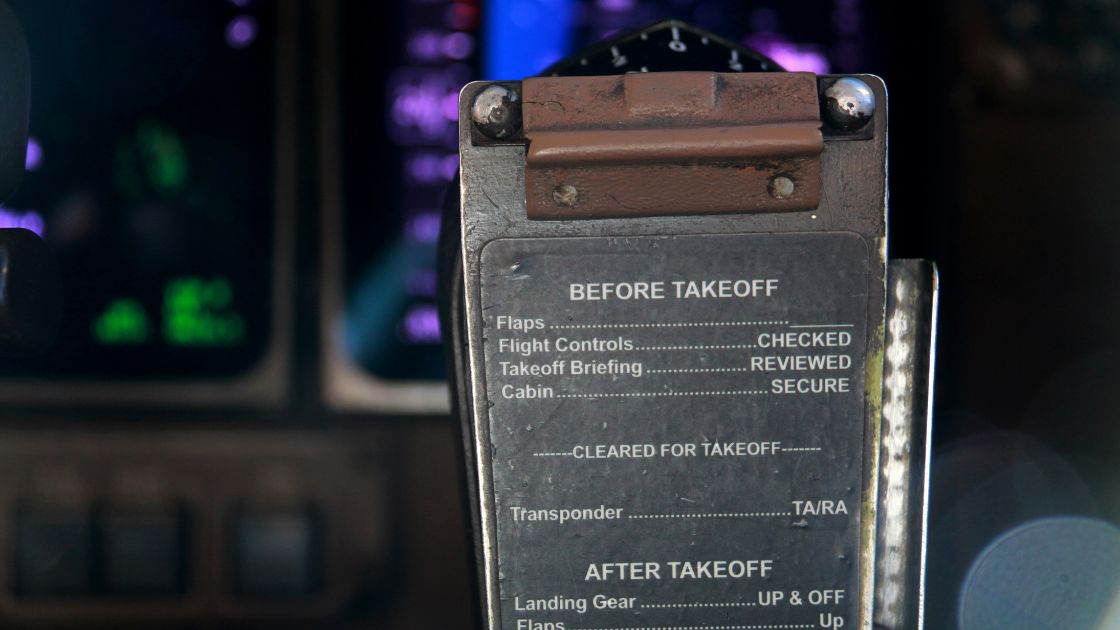
During my 14 years in commercial aviation, readiness was never something we simply assumed.
An aircraft could be available on the schedule, but that didn't automatically mean it was ready for the mission.
Maintenance status mattered.
Fuel mattered.
Weather mattered.
The condition of the crew mattered.
Everything had to be considered before committing to the flight.
Being available was one thing.
Being operationally ready was another.
Yet in business, we often operate as though the two are interchangeable.
A leader can be present in every meeting, respond to every message, and still have very little capacity left for the decisions that matter.
The modern workplace rewards responsiveness.
Fast replies.
Full calendars.
Constant communication.
But every interruption demands something.
Attention.
Energy.
Focus.
And when those interruptions accumulate, the cost becomes harder to see.
You might finish the day having responded to everyone and accomplished very little of what actually mattered.
Worse, when an important decision arrives, your attention has already been divided across dozens of smaller demands.
Being accessible to everyone can leave you unavailable for what matters most.
In aviation, operating margins matter because conditions can change.
Weather deteriorates.
Plans change.
Unexpected problems appear.
You need enough capacity to respond rather than simply react.
Leadership under pressure requires the same discipline.
If your calendar is completely full, your attention constantly divided, and your energy already depleted, what happens when something important changes?
You may still be available.
But are you ready?
Inside the Momentum Shift framework, I teach the importance of recognizing where your capacity is being consumed before performance begins to deteriorate.
That is why Energy is the first check in my Daily Inspection.
Rate it honestly from 1–10.
How are you showing up?
What is fuelling you?
What is draining you?
Because awareness creates adjustment.
You cannot protect capacity you haven't stopped to assess.
This doesn't mean ignoring your team, avoiding meetings, or becoming impossible to reach.
It means being intentional about where your availability is actually required.
Not every message deserves an immediate response.
Not every meeting requires your presence.
Not every interruption is an emergency.
Sometimes the most responsible thing you can do is create space to think, prepare, recover, and focus on the work that carries the greatest consequences.
That isn't a lack of commitment.
It's how you maintain your ability to perform when the conditions demand it.
Learn why open loops might be stealing your energy in this article.
Look at your calendar this week and ask:
Where am I prioritizing availability over readiness?
Identify one commitment, meeting, or recurring interruption that consumes energy without creating meaningful value.
Then make one adjustment.
Protect that capacity for something that matters.
Because being available is not the same as being ready.
And leadership under pressure demands readiness.
If this resonated, join The Shift—my weekly newsletter on leadership, energy, and systems, where we build sustainable momentum one shift at a time.
Chris Wilson
Weekly insights on leadership, decision-making, and momentum. Published every Monday since 2020.

Leadership keynote speaker, former helicopter pilot, and creator of the Momentum Shift Framework. Chris helps leaders navigate change, make decisions under pressure, and build sustainable momentum.
Weekly insights on leadership, execution, and momentum under pressure.
© 2026 Chris Wilson Co. All Rights Reserved