Most people don’t lack motivation.
They lack location.
They’re busy all day—emails, meetings, tasks—but nothing seems to move forward.
That’s not a productivity issue.
It’s a systems issue.
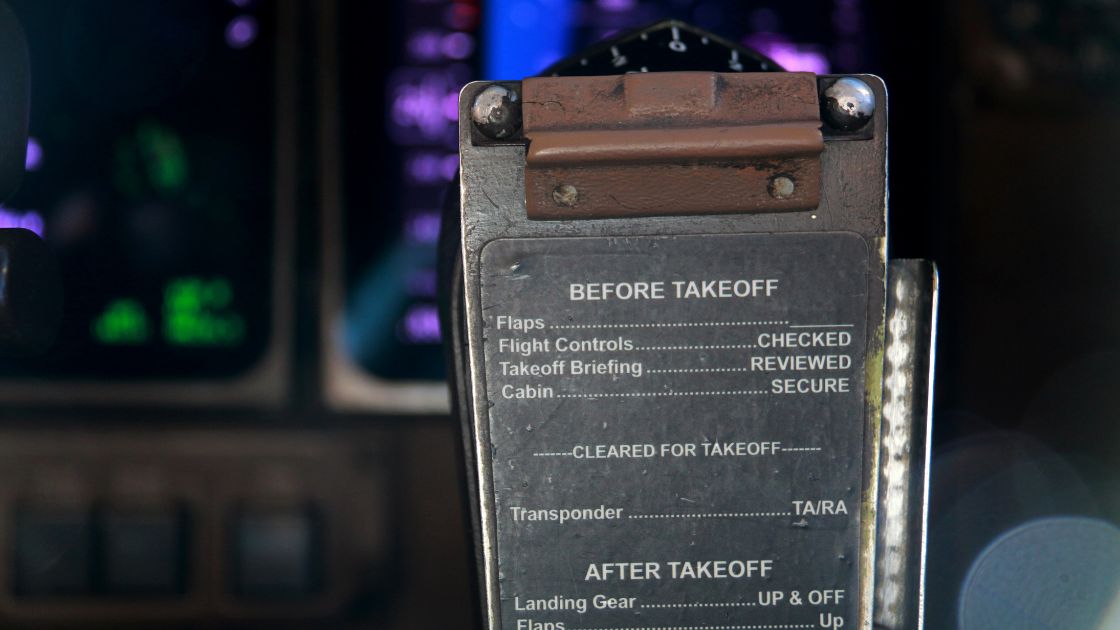
Before any pilot applies power, they first establish position and awareness.
Because speed without context doesn’t create momentum—it creates risk.
The same is true for leadership, work, and life.
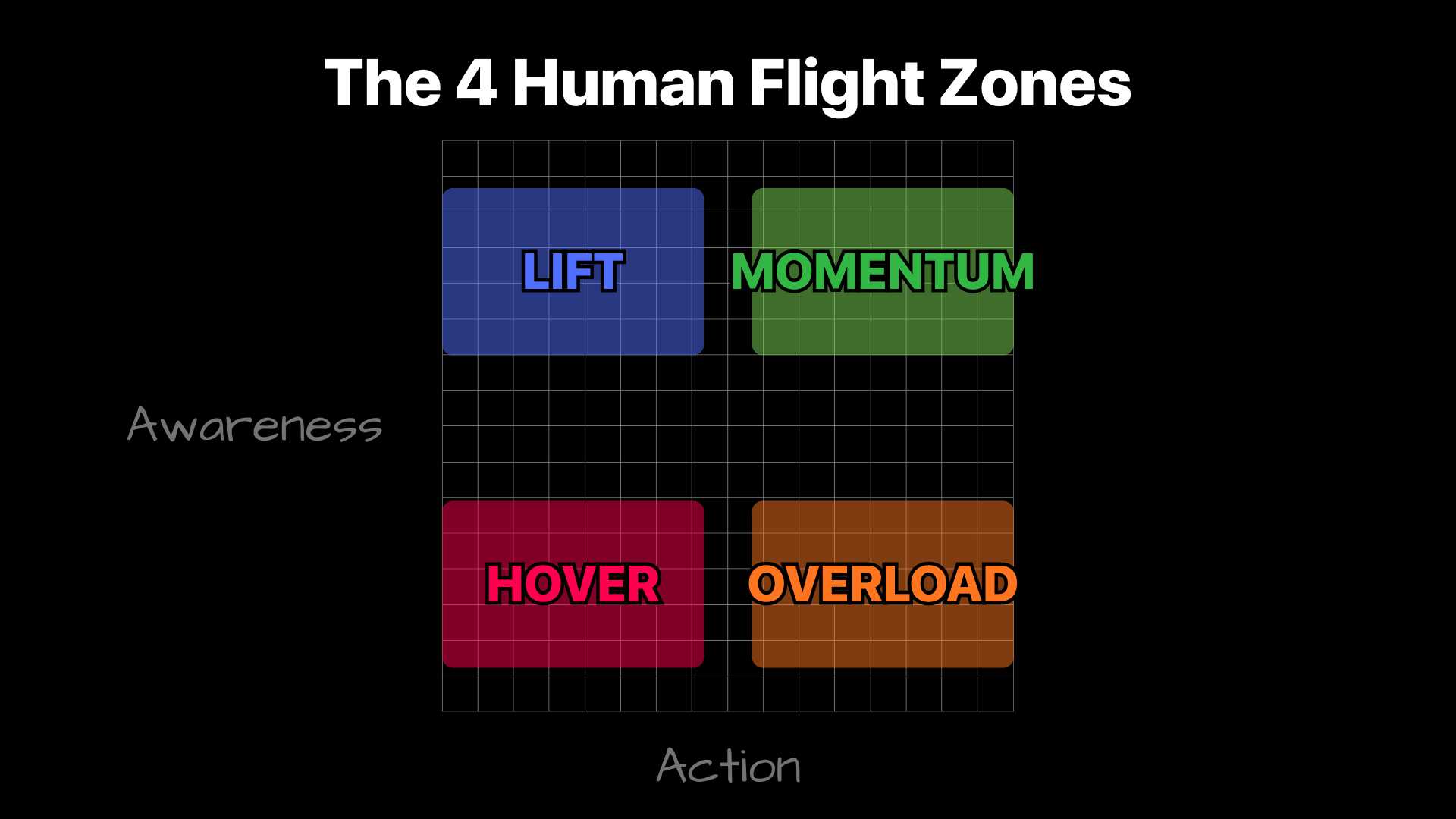
These zones aren’t personality types.
They’re operating environments, defined by two variables:
Where you sit on those axes determines your current zone.
Low awareness. Low action.
You’re busy but stuck. Thinking about change more than creating it.
High awareness. Low action.
You see everything—but it’s too much. Decisions stall. Pressure builds.
Low awareness. High action.
You’re moving, but without full clarity. Progress happens, but it’s fragile.
High awareness. High action.
Clarity and execution are aligned. Progress compounds. Energy feels sustainable.
Here’s the mistake most people make:
They try to jump straight to Momentum without changing how they think, act, or commit.
Movement between zones doesn’t happen by working harder.
It happens through shifts.
These shifts are what move you across awareness and action—zone to zone.
No hacks.
No shortcuts.
Just alignment.
Once you know where you’re operating from, the next step becomes obvious.
Systems stop fighting you.
Energy returns.
Momentum becomes predictable.
Before changing your tools, goals, or habits, ask:
Which zone am I operating in right now?
Then make one intentional shift—mindset, action, or commitment—to move forward.
If this resonated, join The Shift — my weekly newsletter on leadership, energy, and systems — where we build sustainable momentum, one shift at a time.
Chris Wilson
Weekly insights on leadership, decision-making, and momentum. Published every Monday since 2020.

Leadership keynote speaker, former helicopter pilot, and creator of the Momentum Shift Framework. Chris helps leaders navigate change, make decisions under pressure, and build sustainable momentum.


Weekly insights on leadership, execution, and momentum under pressure.
© 2026 Chris Wilson Co. All Rights Reserved