Most people treat their calendar like a container for time.
Block the hours. Fill the gaps. Stay busy.
That’s the problem.
Time blocks don’t create energy.
They only reveal where it’s being spent—or drained.
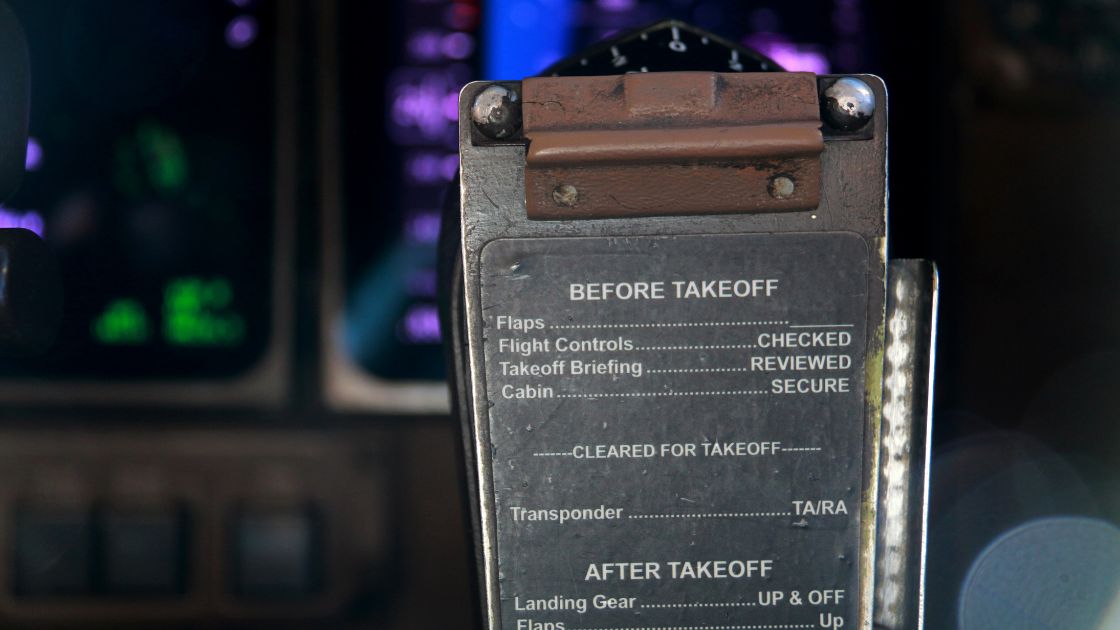
In aviation, no pilot plans a flight by saying, “Let’s see how long this takes.”
We plan fuel first. Distance, weight, conditions, reserves.
You don’t wing energy.
And yet most leaders do it every week.
A meeting at 9 a.m. isn’t neutral.
A late call, a context switch, a “quick check-in”—none of these are free.
Every calendar entry either:
And most calendars are quietly leaking fuel all day long.
This is why people feel exhausted even when they’re “organized.”
They’ve optimized for time, not power.
At the end of 2025, I started treating my calendar differently.
Not as a schedule—but as a curation tool.
I asked a better question:
Does this move the needle—or steal energy from the things that do?
The shift was immediate.
High-leverage work went earlier in the day.
Energy-draining conversations were batched—or removed.
White space became intentional, not accidental.
Just like fuel planning before flight, the goal wasn’t to do more.
It was to ensure I had enough energy for what mattered most.
Leaders don’t burn out because they lack discipline.
They burn out because their calendar demands more energy than they’ve planned for.
If everything feels heavy right now, don’t ask for better motivation.
Audit your calendar.
That’s where the truth is.
Want more ideas like this each week?
If this resonated, join The Shift — my weekly newsletter on leadership, energy, and systems — where we build sustainable momentum, one shift at a time.
Chris Wilson
Weekly insights on leadership, decision-making, and momentum. Published every Monday since 2020.

Leadership keynote speaker, former helicopter pilot, and creator of the Momentum Shift Framework. Chris helps leaders navigate change, make decisions under pressure, and build sustainable momentum.
Weekly insights on leadership, execution, and momentum under pressure.
© 2026 Chris Wilson Co. All Rights Reserved