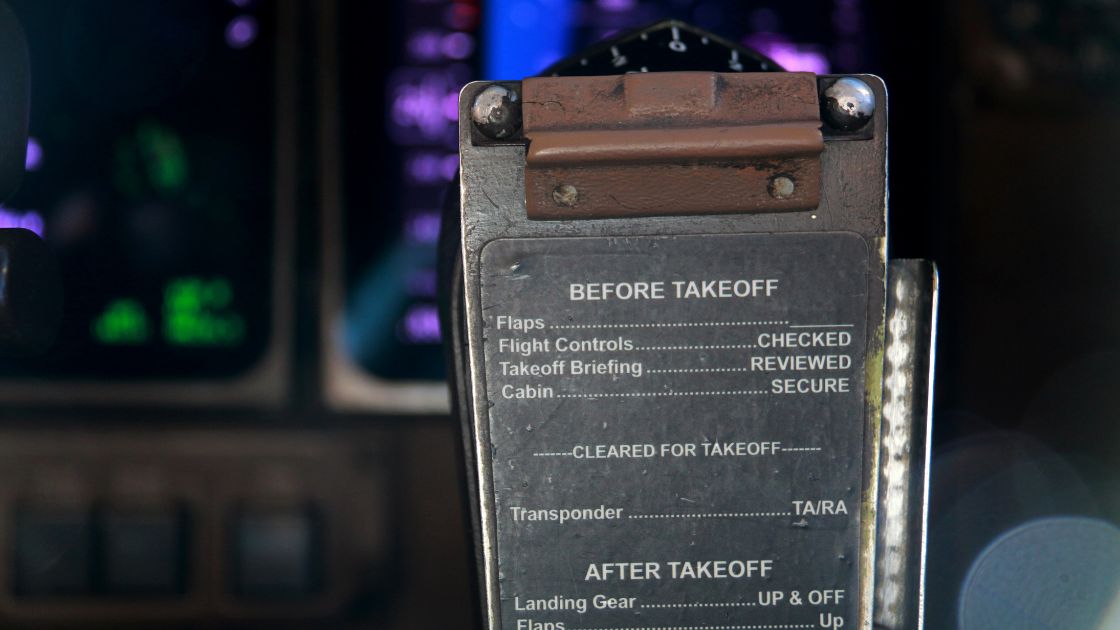
People think high-risk environments fail during chaos.
Often they fail during routine.
A missed detail.
An ignored warning sign.
A quiet assumption that says: “It’s probably fine.”
In aviation, that mindset can kill people.
In 2018, I was working in heliskiing operations.
Extreme environment.
Clients were paying roughly $2,500 per day to ski untouched alpine terrain.
Business owners. Executives. High performers from around the world.
That morning we had:
Roughly $10,000 sitting in that helicopter alone, with other groups waiting behind it.
Then the helicopter wouldn’t start.
An MGB warning light came on.
Main Gearbox.
Not good.
We ran the inspection.
Pulled the chip plug.
Metal.
The gearbox gears were literally starting to come apart internally.
Under pressure, this is where dangerous thinking starts.
That’s how systems fail.
We attempted another start.
The light came back.
At that point, it was a hard no-go.
Aircraft grounded.
Pressure didn’t remove the standard.
It revealed whether the standard truly existed.
Because the easy decision operationally would’ve been pushing forward.
Clients waiting.
Money waiting.
Expectations waiting.
Instead, the system won.
We sourced another helicopter nearby, used for private bookings and kept operations moving safely.
Meanwhile, we began replacing the entire main gearbox and oil system.
The next day, crew drove parts:
We swapped components on the side of a highway in freezing conditions using a boom truck.
Pitch black. Snow falling.
Then:
Only after the system confirmed safe operation did the aircraft return to service.
Most failures don’t begin during chaos.
They begin when:
Strong leaders don’t panic under pressure.
They slow down.
Trust the process.
Rely on the system.
Execute deliberately.
Because when the stakes are high, calm becomes a competitive advantage.
Read this article on Control What You Can - Lead Through What You Can’t.
Where are you overriding warning signs because of pressure?
A business issue.
A team issue.
A personal one.
Don’t let urgency lower the standard.
That’s when small problems become catastrophic ones.
If this resonated, join The Shift — my weekly newsletter on leadership, energy, and systems — where we build sustainable momentum, one shift at a time.
Chris Wilson
Weekly insights on leadership, decision-making, and momentum. Published every Monday since 2020.

Leadership keynote speaker, former helicopter pilot, and creator of the Momentum Shift Framework. Chris helps leaders navigate change, make decisions under pressure, and build sustainable momentum.


Weekly insights on leadership, execution, and momentum under pressure.
© 2026 Chris Wilson Co. All Rights Reserved