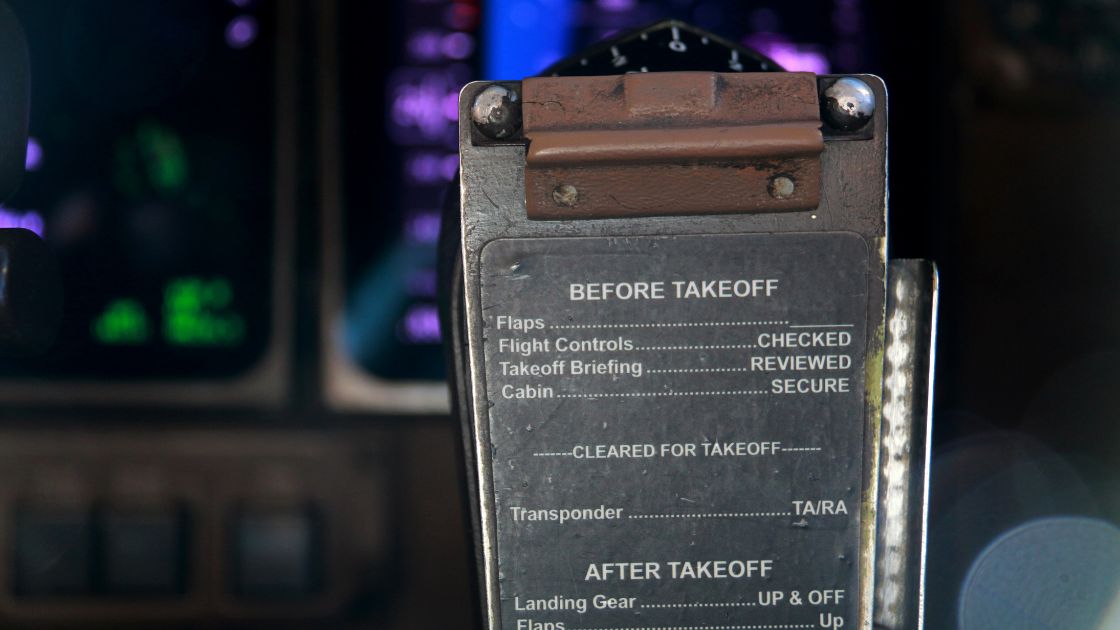
Most people don’t fail because they run out of time. They fail because they run out of energy.
In aviation, pilots don’t “hope” they’ll have enough fuel. They plan reserves, calculate burn rates, and build margin long before takeoff.
Leadership is no different — yet most professionals live like they’re flying on empty.
High performers don’t collapse from one big failure.
They slowly bleed energy through:
This isn’t burnout.
It’s poor fuel management.
Energy is the real leadership advantage.
Pilots never plan a flight to land at zero fuel.
Leaders often do.
They schedule back-to-back days.
They ignore recovery.
They treat rest like weakness.
Eventually, performance drops — not from lack of ability, but lack of fuel.
Here’s the difference between average performers and high performers:
Average leaders react to fatigue. High performers plan for it.
They build energy margins into their day:
Energy becomes a system, not a feeling.
Before you plan your next week, answer this:
Where am I bleeding energy?
Where do I need more reserves?
This week, make one shift:
Momentum doesn’t come from more effort.
It comes from better fuel planning.
If this resonated, join The Shift — my weekly newsletter on leadership, energy, and systems — where we build sustainable momentum, one shift at a time.
Chris Wilson
Weekly insights on leadership, decision-making, and momentum. Published every Monday since 2020.

Leadership keynote speaker, former helicopter pilot, and creator of the Momentum Shift Framework. Chris helps leaders navigate change, make decisions under pressure, and build sustainable momentum.


Weekly insights on leadership, execution, and momentum under pressure.
© 2026 Chris Wilson Co. All Rights Reserved