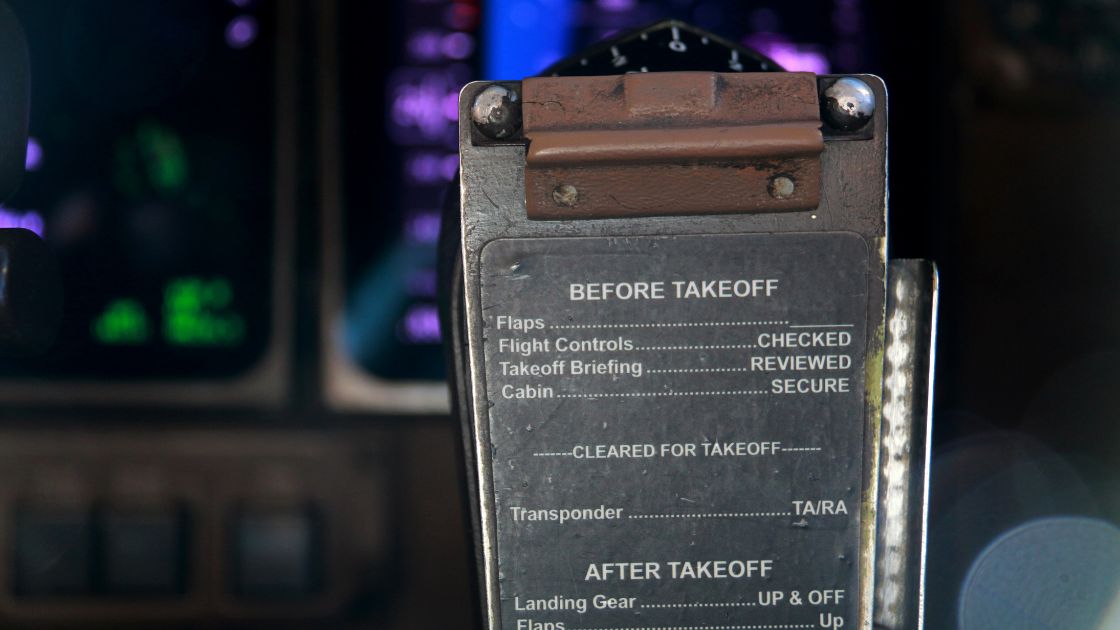
In aviation, every aircraft undergoes a Daily Inspection.
Not when something feels off.
Not after a bad flight.
Every single day.
It’s quiet. Systematic. Disciplined.
Because aircraft don’t usually fail dramatically.
They drift.
Small vibrations.
Minor leaks.
Subtle misalignments.
Left unchecked, drift becomes failure.
Leadership is no different.
Burnout doesn’t arrive in a single moment.
Standards don’t collapse in one decision.
Momentum doesn’t disappear in a day.
It erodes through what goes uninspected.
A boundary softened.
A distraction tolerated.
An avoided conversation.
A slow leak of energy.
Most leaders are reactive by default.
Very few inspect the system they’re operating inside of.
Before you lead others, inspect yourself.
Not with a journal marathon.
Not with a productivity ritual.
Just four checks.
High-level. Clean. Non-negotiable.
Where did your attention, emotion, or capacity quietly drain?
Where are your actions slightly misaligned with your standards or priorities?
What started competing for attention that shouldn’t be in the cockpit?
If today repeated itself for a week, would you build lift—or burn out?
That’s it.
No drama.
No overhaul.
Just inspection.
When you don’t inspect daily, problems compound silently.
Then you’re forced into big resets, emotional reactions, or urgent course corrections.
But when you inspect consistently, you adjust early.
Small shifts.
Before they become structural failures.
Momentum isn’t built by pushing harder.
It’s built by preventing drift.
If you ran a two-minute Daily Inspection at the end of each day this week, what would you catch early?
Where would momentum stabilize instead of slowly erode?
If this resonated, join The Shift — my weekly newsletter on leadership, energy, and systems — where we build sustainable momentum, one shift at a time.
Chris Wilson
Weekly insights on leadership, decision-making, and momentum. Published every Monday since 2020.

Leadership keynote speaker, former helicopter pilot, and creator of the Momentum Shift Framework. Chris helps leaders navigate change, make decisions under pressure, and build sustainable momentum.


Weekly insights on leadership, execution, and momentum under pressure.
© 2026 Chris Wilson Co. All Rights Reserved