Most systems start simple. Then something goes wrong. So we add a step. Another approval. Another meeting. Another report. Another tool.
Each addition makes sense on its own. But eventually, the system designed to help people execute becomes the thing slowing them down.
That is the hidden cost of complexity.
Complexity rarely arrives all at once. It accumulates. A process that once required three steps now requires seven. A decision that once belonged to one person now needs four approvals. A meeting that originally solved a problem becomes a permanent fixture on the calendar.
Nobody intentionally designed the system to be slow. It simply grew. But every additional layer creates a cost:
Time. Attention. Handoffs. Waiting. Opportunity for confusion.
That cost eventually shows up in execution.
Leaders often add processes because they want more control.
Sometimes that is necessary. But there is a point where more control starts producing less movement.
People wait for approval. Decisions move through unnecessary layers. Teams duplicate work. Ownership becomes unclear. Simple actions require increasingly complicated processes.
Inside Momentum Shift, I call this drag.
And one of the core ideas I teach is:
You don’t accelerate by doing more. You accelerate by removing drag.
That applies to systems too.
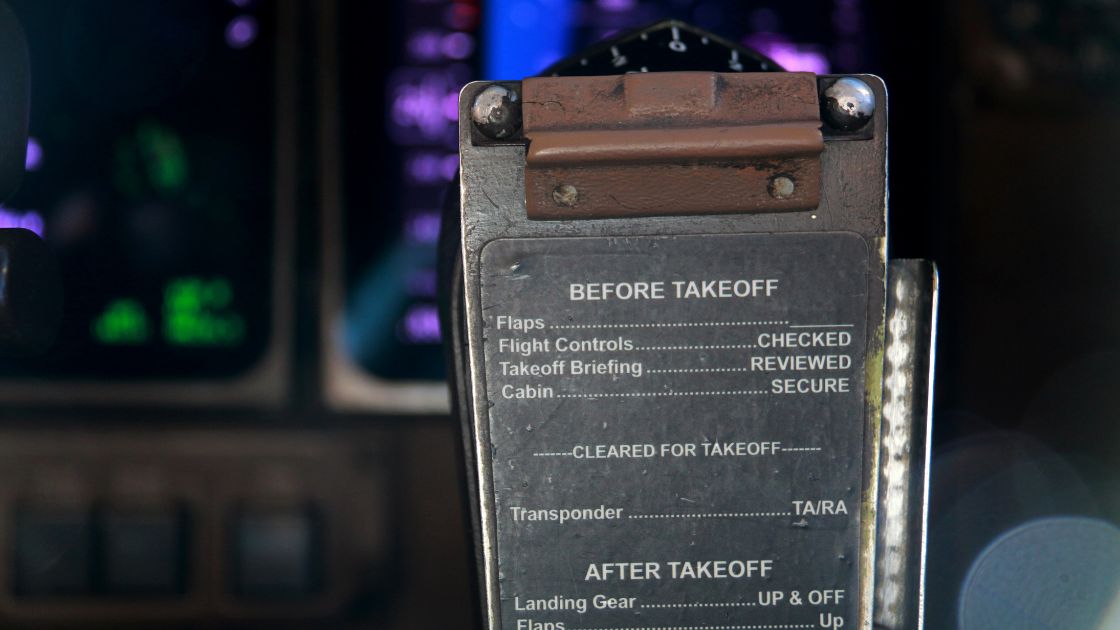
Aviation is full of systems, procedures, checklists, and standards. For good reason. But effective procedures need to be clear enough to use when conditions are demanding.
When you are tired. When the weather changes. When time is tight. When something unexpected happens. Complexity is not the same as sophistication.
A strong system gives people enough structure to operate consistently without creating unnecessary friction.
The goal is not fewer steps at any cost. The goal is only the steps that earn their place.
One of the principles inside Momentum Shift is Remove Before Flight.
Most organizations look for improvement by asking:
What should we add?
A new platform. A new process. A new meeting. A new policy.
But sometimes the better question is:
What no longer needs to be here?
What approval could disappear?
What meeting has outlived its purpose?
What report does nobody use?
What task is being duplicated?
What step exists only because it has always existed?
Removing one unnecessary layer can create more momentum than adding another tool ever will.
Read this article on how the best systems remove decisions.
Take one process your team uses regularly. Then ask four questions:
Where are we waiting?
Where are we repeating work?
Where is ownership unclear?
What step no longer earns its place?
Do not redesign everything. Remove one piece of unnecessary complexity. Then see what moves faster. Because complexity is not free. It is a tax on execution.
If this resonated, join The Shift—my weekly newsletter on leadership, energy, and systems, where we build sustainable momentum one shift at a time.
Chris Wilson
Weekly insights on leadership, decision-making, and momentum. Published every Monday since 2020.

Leadership keynote speaker, former helicopter pilot, and creator of the Momentum Shift Framework. Chris helps leaders navigate change, make decisions under pressure, and build sustainable momentum.
Weekly insights on leadership, execution, and momentum under pressure.
© 2026 Chris Wilson Co. All Rights Reserved