Leaders often think misalignment is a communication problem. Sometimes it is. But sometimes the message is perfectly clear.
The problem is that there are too many of them.
One leader says speed matters. Another says avoid risk. One manager rewards initiative. Another punishes mistakes. One department is told to move faster. Another introduces three more approval steps.
Eventually, the team stops asking, What matters most?
They start asking, Whose direction am I supposed to follow?
That is where momentum begins to break down.
Inside Momentum Shift, Direction matters. You can have talented people. You can have strong systems. You can have plenty of action.
But if that action is pointed in different directions, you do not create momentum.
You create friction.
People hesitate. They double-check. They seek approval. They protect themselves. They spend energy interpreting leadership instead of executing the work.
Conflicting priorities create organizational drag.
And adding more communication does not necessarily fix it. Sometimes leaders first need to align themselves.
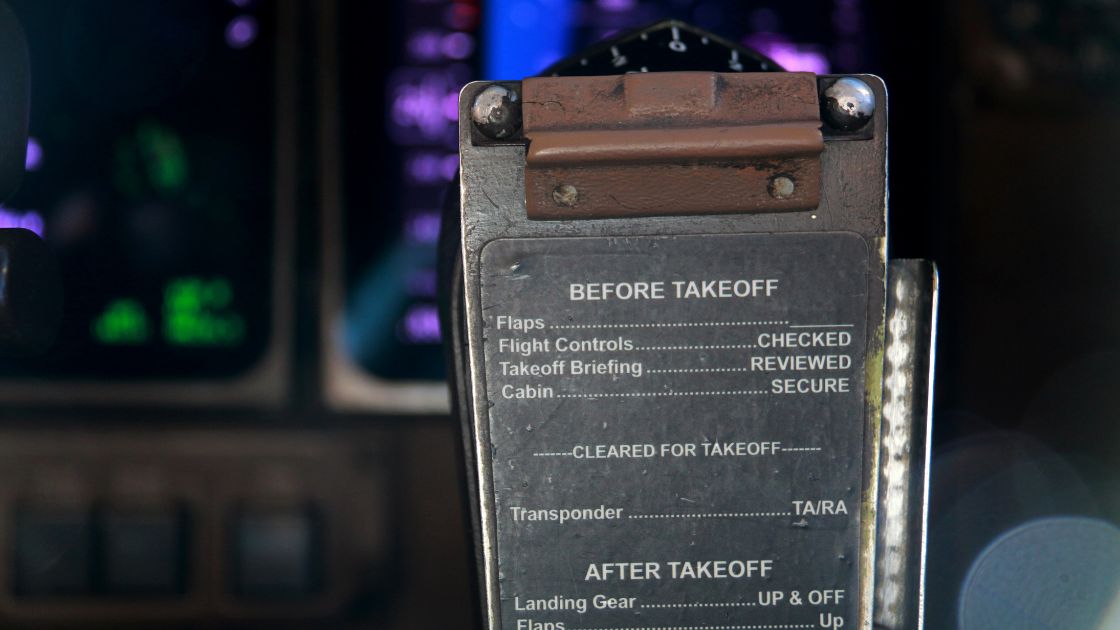
In aviation, a crew cannot operate effectively if everyone is working from a different understanding of the mission.
Where are we going?
What are the conditions?
What matters most?
Who is responsible for what?
Those questions need enough alignment that people can act without constantly stopping to reinterpret the plan.
Leadership works the same way.
Alignment does not mean everyone agrees on everything. It means the organization understands the direction well enough to move. That becomes especially important under pressure.
When conditions change, teams look to leaders for signals. If those signals conflict, uncertainty multiplies. If they align, people can adjust.
Leaders communicate priorities through more than words. They communicate through:
What they reward.
What they question.
What they measure.
What they tolerate.
Where they spend time.
Which decisions they reverse.
You can tell a team that innovation matters. But if every failed experiment gets punished, the real signal is caution.
You can say speed matters. But if every decision requires another layer of approval, the real signal is wait.
People eventually follow the behaviour, not the announcement.
Read this article on clarity is a leadership responsibility.
Awareness and action are two of the central forces inside Momentum Shift. But action only creates momentum when it is aligned. That is why leadership is not simply about getting people to move.
It is about helping people understand where they are moving and what matters most now.
When leaders are misaligned, teams spend energy interpreting instead of executing. When direction becomes clear, that energy can go back into the work.
Ask your leadership team three questions:
What are our three most important priorities right now?
What behaviours are we actually rewarding?
Where might we be sending conflicting signals?
If the answers are different depending on who you ask, do not immediately push the team harder. Align the signal first. Then move.
If this resonated, join The Shift—my weekly newsletter on leadership, energy, and systems, where we build sustainable momentum one shift at a time.
Chris Wilson
Weekly insights on leadership, decision-making, and momentum. Published every Monday since 2020.

Leadership keynote speaker, former helicopter pilot, and creator of the Momentum Shift Framework. Chris helps leaders navigate change, make decisions under pressure, and build sustainable momentum.


Weekly insights on leadership, execution, and momentum under pressure.
© 2026 Chris Wilson Co. All Rights Reserved