We often think of systems as a way to save time.
They are.
But the best systems do something more important.
They remove unnecessary decisions.
That matters because every decision costs something.
Attention.
Energy.
Judgment.
Focus.
And most leaders waste far too much of those resources on decisions they have already made before.
If you make the same decision every day, it probably should not remain a decision.
What time do you start your most important work?
How do you prepare for a meeting?
What happens after a client call?
How do you capture a follow-up?
What do you check before something goes live?
If the answer changes every time, you create unnecessary friction.
A system takes something repeatable and makes it reliable.
That is where the lift comes from.
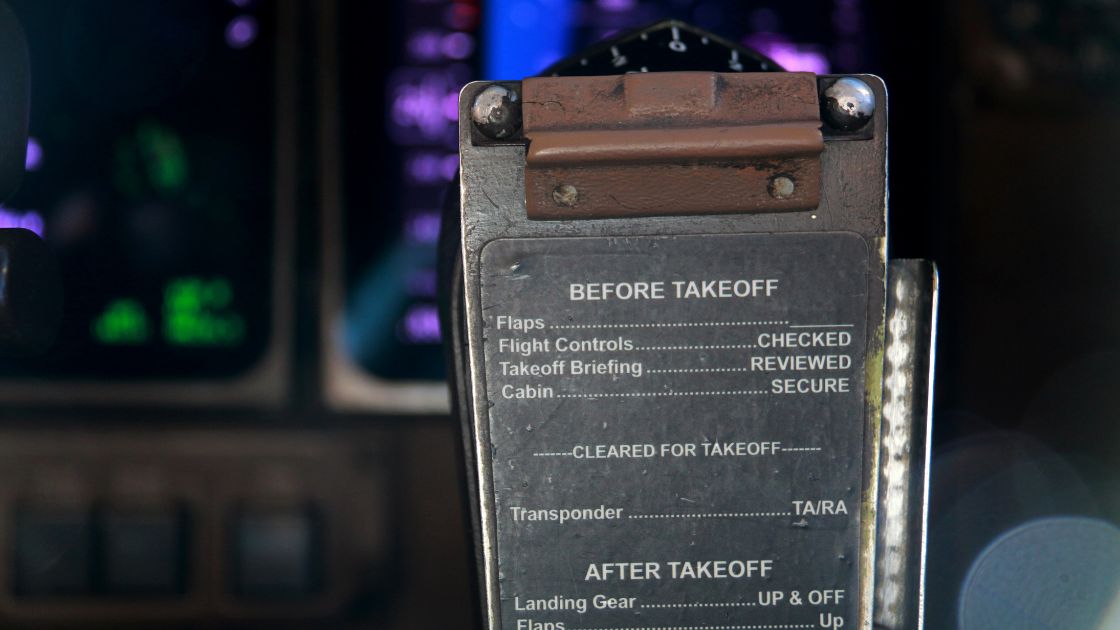
In aviation, checklists do not exist because pilots and engineers do not know what to do.
They exist because knowing is not the same as consistently doing.
People get tired.
Distracted.
Rushed.
Interrupted.
Under pressure.
A checklist removes the need to remember every critical step from scratch.
The decision has already been made.
That protects attention for the things that cannot be standardized.
Weather.
Conditions.
Judgment.
The unexpected.
Leadership works the same way.
Before a flight, I didn’t decide from memory which critical items deserved attention that day. The checklist had already made that decision.
In business, I use the same principle wherever possible: define the repeatable steps once, then preserve judgment for the work that actually requires it.
Not every decision deserves equal attention.
Some decisions are strategic.
Some are consequential.
Some require context, experience, and judgment.
Others do not.
The problem is that leaders often spend the same mental energy on both.
Small operational decisions pile up.
Where should this go?
Who owns this?
What do we do next?
What happened last time?
What should I remember?
Then, when a decision actually matters, the leader is already carrying unnecessary cognitive load.
A strong system removes that burden.
One of the core ideas inside Momentum Shift is simple:
Systems create lift.
They reduce drag.
They create consistency.
They make the right action easier to repeat.
And they preserve capacity for the decisions that actually move things forward.
A good system does not remove judgment from leadership.
It protects it.
In my own business, I try to remove repeat decisions wherever I can.
My weekly outreach process is built around a defined pipeline and follow-up rhythm so I’m not deciding from scratch who to contact or what happens next every day.
The same is true with content. I rotate The Shift through Leadership, Energy, and Systems, so I’m not staring at a blank page every week asking what I should write about.
The system does not do the work for me.
It removes the unnecessary decision so I can focus on the quality of the work.
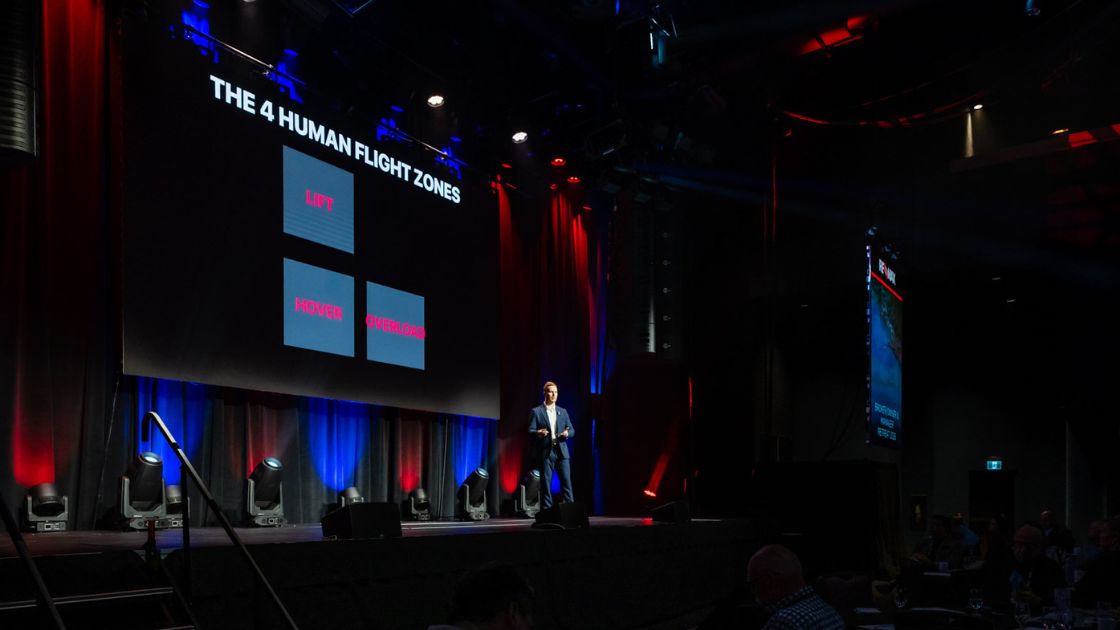
Learn about the 4 Human Flight Zones and find out where you’re currently operating.
Look at one part of your day or business where you keep making the same decision.
Then ask:
Should this still be a decision?
Could it become:
If the answer is yes, build the system once.
Then stop paying for the same decision every day.
If this resonated, join The Shift—my weekly newsletter on leadership, energy, and systems, where we build sustainable momentum one shift at a time.
Chris Wilson
Weekly insights on leadership, decision-making, and momentum. Published every Monday since 2020.

Leadership keynote speaker, former helicopter pilot, and creator of the Momentum Shift Framework. Chris helps leaders navigate change, make decisions under pressure, and build sustainable momentum.


Weekly insights on leadership, execution, and momentum under pressure.
© 2026 Chris Wilson Co. All Rights Reserved