Motivation gets far too much credit.
People often believe they need more motivation to become better leaders, build healthier habits, or make meaningful progress.
They don't.
They need better systems.
Motivation is a great way to start, but it's a terrible strategy for staying consistent. It comes and goes with your mood, your energy, and your circumstances.
Systems don't.
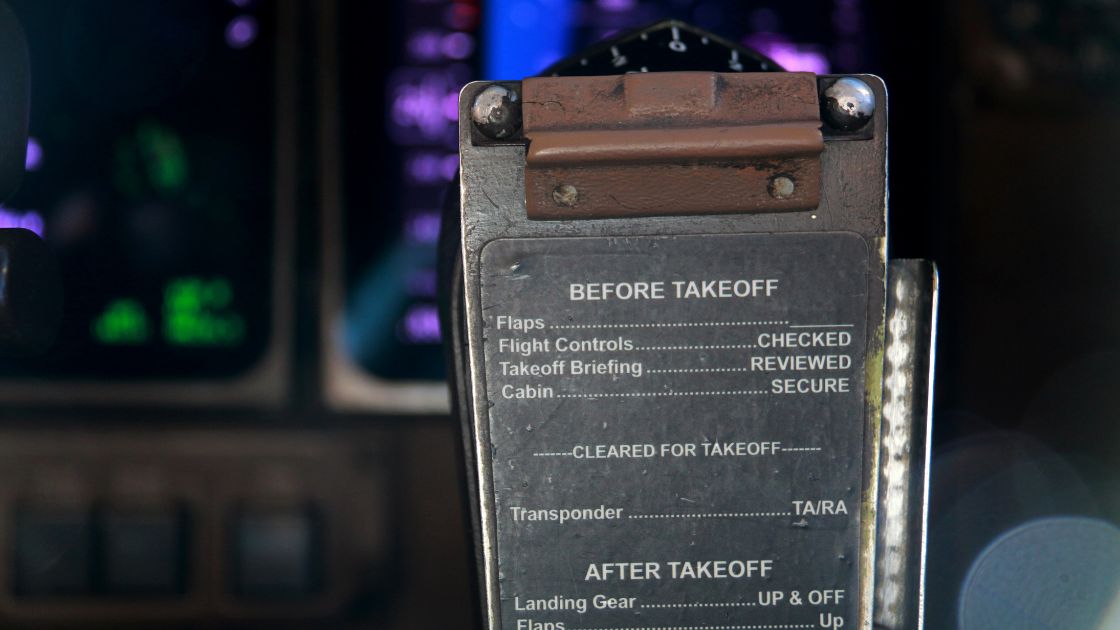
During my 14 years as a helicopter pilot, I never climbed into the cockpit hoping motivation would keep me safe.
We relied on systems.
Every flight began with a pre-flight inspection, checklists, and standard operating procedures. These weren't there because pilots lacked skill. They existed because systems create consistency, especially when the stakes are high.
Leadership works the same way.
The strongest leaders don't rely on feeling inspired every Monday morning. They build simple systems that make consistent action easier.
A weekly planning session.
A daily priority list.
A regular team check-in.
A consistent follow-up process.
None of these actions is extraordinary on its own.
Together, they create momentum.
That's the difference between people who make progress for a few weeks and leaders who continue making progress for years.
Motivation helps you begin.
Systems help you continue.
Momentum isn't created by one big breakthrough. It's built through small actions repeated consistently over time.
Read this article on why leaders drift without realizing it.
Ask yourself one simple question:
What is one system you could build this week that would make success easier next week?
Start there.
Because motivation is temporary.
Systems create momentum.
Join The Shift, my free weekly newsletter where I share practical leadership insights, lessons from aviation, and simple strategies to help you build momentum through uncertainty.
Chris Wilson
Weekly insights on leadership, decision-making, and momentum. Published every Monday since 2020.

Leadership keynote speaker, former helicopter pilot, and creator of the Momentum Shift Framework. Chris helps leaders navigate change, make decisions under pressure, and build sustainable momentum.


Weekly insights on leadership, execution, and momentum under pressure.
© 2026 Chris Wilson Co. All Rights Reserved