People often assume the best leaders are the loudest. The fastest. The most confident person in the room.
In aviation, that isn't what earns trust.
Calm does.
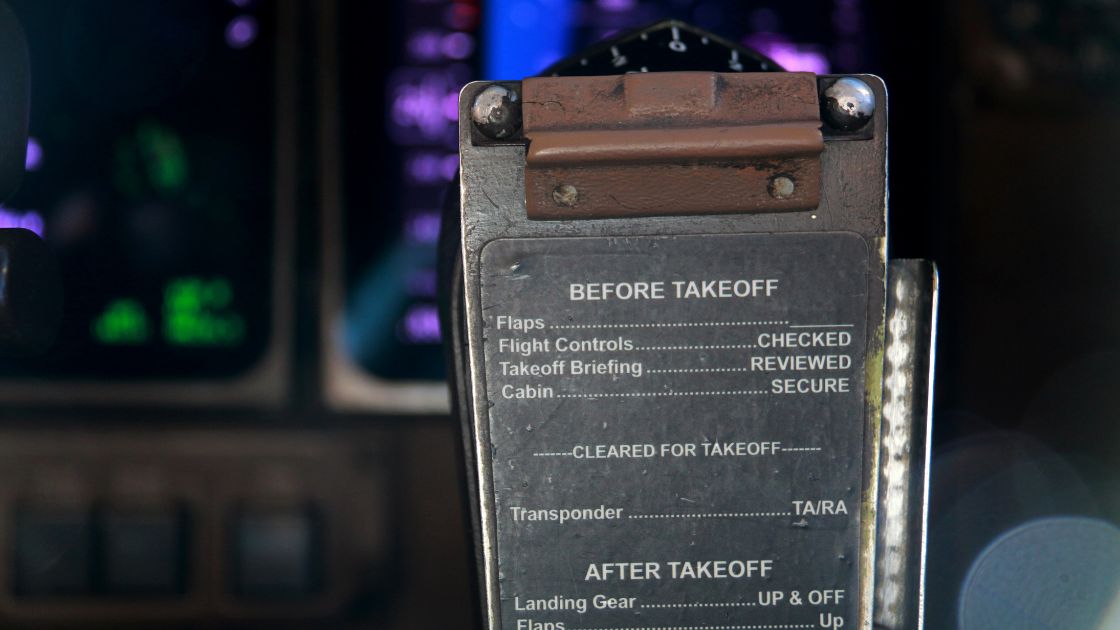
During my years flying helicopters, I learned that pressure has a way of spreading.
A weather system moves in faster than expected.
Visibility begins to disappear.
A customer is waiting.
The clock is ticking.
Everyone wants an answer.
In those moments, people aren't just watching your decision.
They're watching your reaction.
If the pilot becomes rushed, the crew feels it.
If the engineer panics, the team notices.
Pressure is contagious.
But so is calm.
One of the biggest misconceptions about leadership is that calm means moving slowly.
It doesn't.
Calm means thinking clearly.
It means slowing your mind before speeding up your actions.
Some of the best aviation professionals I worked with were remarkably calm under pressure.
Not because they cared less.
Because they understood that emotional reactions rarely improve operational decisions.
They gathered information.
Cross-checked assumptions.
Trusted the systems.
Then they acted.
Leadership works the same way.
Markets change.
Projects fall behind.
Clients become frustrated.
Unexpected problems appear.
The instinct is often to react immediately.
But reacting isn't the same as leading.
The leaders people trust most aren't the ones with all the answers.
They're the ones who create stability when everything around them feels uncertain.
They ask better questions.
They communicate clearly.
They make decisions with intention instead of emotion.
That's not a personality trait.
It's a leadership skill.
And like any skill, it can be developed.
Every challenge becomes an opportunity to practice staying composed when others are looking for direction.
Because in high-pressure environments, people rarely remember every word you said.
They remember how you made them feel.
Calm creates confidence.
Confidence creates clarity.
And clarity creates momentum.
Learn why waiting kills momentum in this article.
The next time pressure rises, pay attention to your first response.
Are you reacting?
Or are you leading?
Take one breath.
Gather the facts.
Slow your mind before making your next move.
Because calm isn't the absence of pressure.
It's how great leaders choose to respond to it.
If this resonated, join The Shift — my weekly newsletter on leadership, energy, and systems, where we build sustainable momentum one shift at a time.
Chris Wilson
Weekly insights on leadership, decision-making, and momentum. Published every Monday since 2020.

Leadership keynote speaker, former helicopter pilot, and creator of the Momentum Shift Framework. Chris helps leaders navigate change, make decisions under pressure, and build sustainable momentum.


Weekly insights on leadership, execution, and momentum under pressure.
© 2026 Chris Wilson Co. All Rights Reserved