Leadership isn't just what you say. It's how you show up. Every meeting. Every conversation. Every decision. People are constantly reading your energy.
Not because they're judging you.
Because they're trying to understand what matters.
If you show up rushed, people learn that being busy is more important than being present. If you show up distracted, they learn that attention is optional. If you cut corners, they learn that standards are flexible.
And if you consistently show up calm, prepared, and intentional, they learn that excellence isn't something you talk about—it's something you practice.
Your energy is teaching people how to lead.
We often think of energy as something we either have or don't. But in my experience, energy is often a reflection of something deeper.
Discipline. Preparation. Accountability. Standards.
During my years in aviation, nobody ever stood in front of the crew and announced that safety mattered.
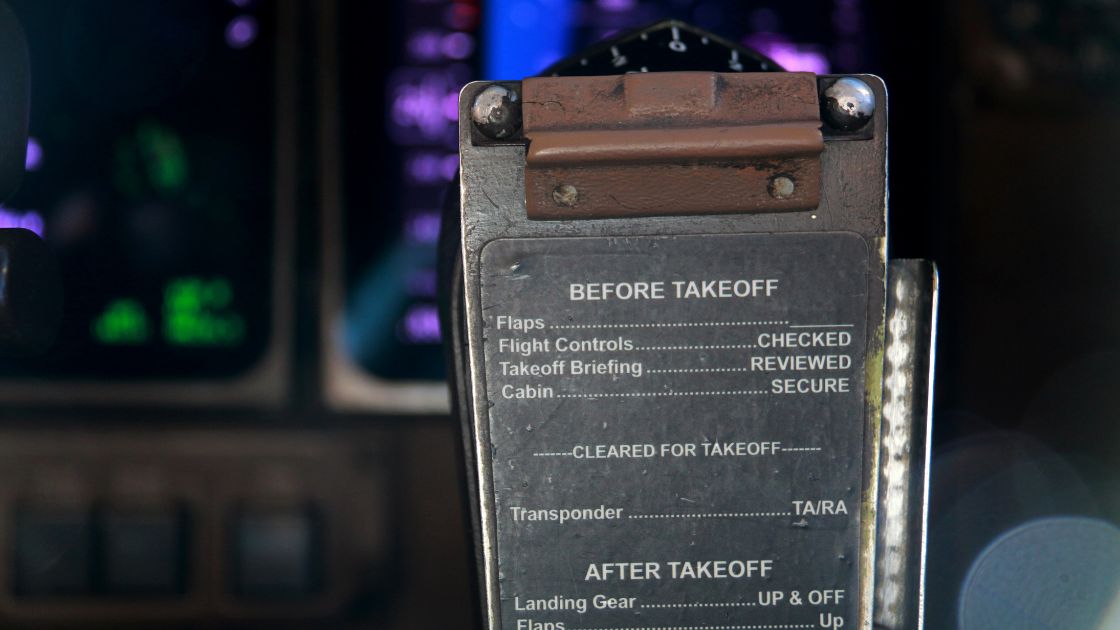
They didn't need to. You could see it. It showed up in the walk-around inspection before every flight.
The checklist. The maintenance logs. The conversations between pilots and engineers.
No one rushed because they valued the appearance of speed more than the discipline of doing things properly. The standard wasn't communicated through speeches. It was communicated through behaviour. Leadership works the same way.
As leaders, we spend a lot of time thinking about how to motivate others. How to improve performance. How to build accountability. But before any of that happens, people are watching us. Not our presentations. Not our mission statements. Us.
How we respond when plans change.
How we handle pressure. How we treat people when we're busy. How we prepare. How we recover.
How we keep commitments—especially the ones no one else sees. Culture isn't created by what leaders expect. It's created by what leaders consistently model.
Check out this article on energy leaks and how to avoid them.
The hardest person to lead will always be yourself. The promises you keep to yourself become the standards you bring to everyone else.
If you constantly ignore your own boundaries, your team will eventually ignore theirs. If you accept mediocrity from yourself, you'll slowly begin accepting it from others.
If you operate with discipline—even when no one is watching—you create a standard that people can trust.
That's why leadership starts long before anyone else is in the room. It starts with how you manage your own energy.
Not by chasing more of it. But by protecting it. Inspecting it. Respecting it.
Because the way you lead yourself is eventually the way you'll lead everyone else.
Ask yourself one simple question:
What is my energy teaching the people around me?
Because whether you realize it or not… You're always setting the standard.
If this resonated, join The Shift—my weekly newsletter on leadership, energy, and systems, where we build sustainable momentum one shift at a time.
Chris Wilson
Weekly insights on leadership, decision-making, and momentum. Published every Monday since 2020.

Leadership keynote speaker, former helicopter pilot, and creator of the Momentum Shift Framework. Chris helps leaders navigate change, make decisions under pressure, and build sustainable momentum.
Weekly insights on leadership, execution, and momentum under pressure.
© 2026 Chris Wilson Co. All Rights Reserved