Every leader wants better results. More momentum. Better decisions. Stronger teams. Healthier culture.
But before any of those things improve, something else has to happen first.
You have to know the truth.
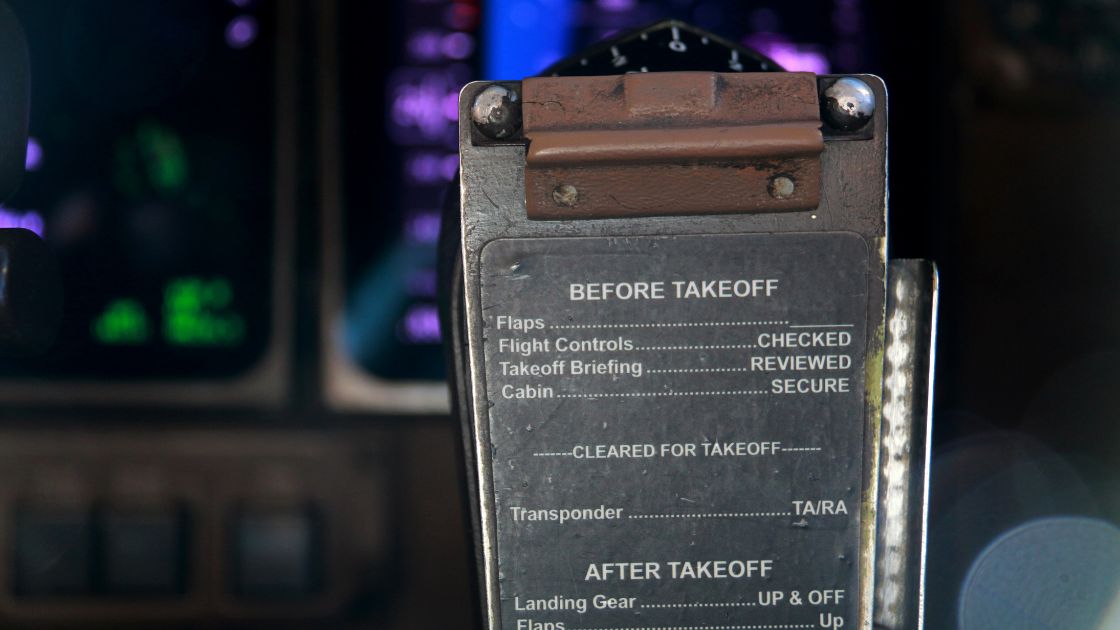
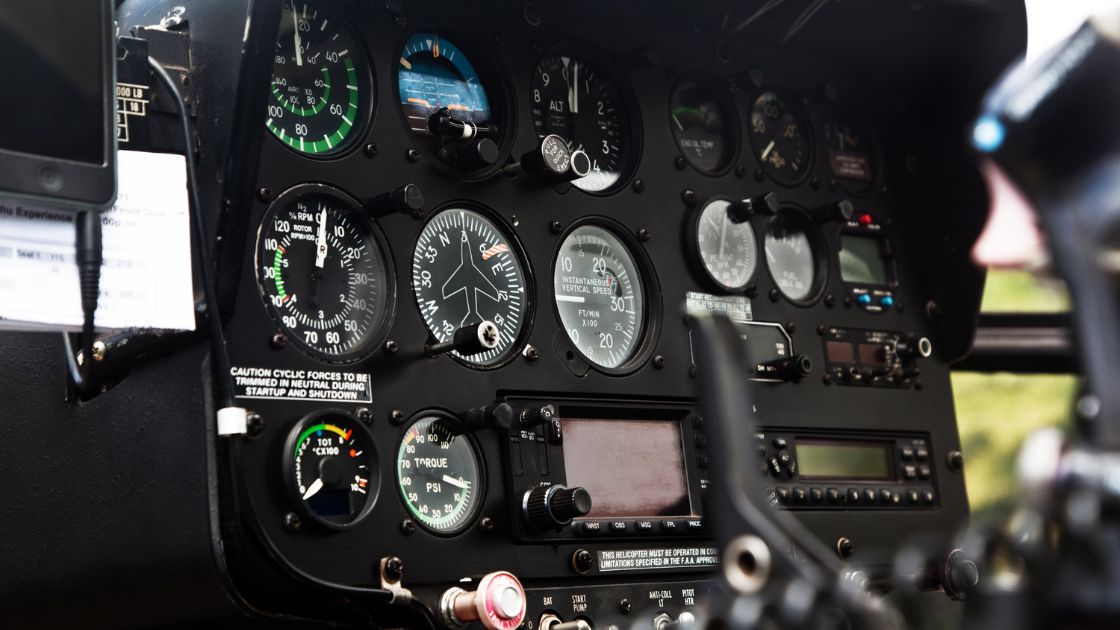
That's why, after every flight, before every flight, and throughout my career in aviation, inspections were never optional.
Not because they fixed problems. Because they revealed them. An inspection doesn't repair a worn component. It doesn't tighten a loose bolt. It doesn't remove a crack.
It simply tells you what's actually there. Leadership works the same way.
They have an awareness problem. We often wait until performance drops. Until we're burned out. Until our team becomes disengaged. Until momentum disappears.
Only then do we stop and ask,
"What happened?"
But momentum rarely disappears overnight. It drifts. Quietly.
Without a system to inspect what's happening beneath the surface, it's easy to mistake motion for progress.
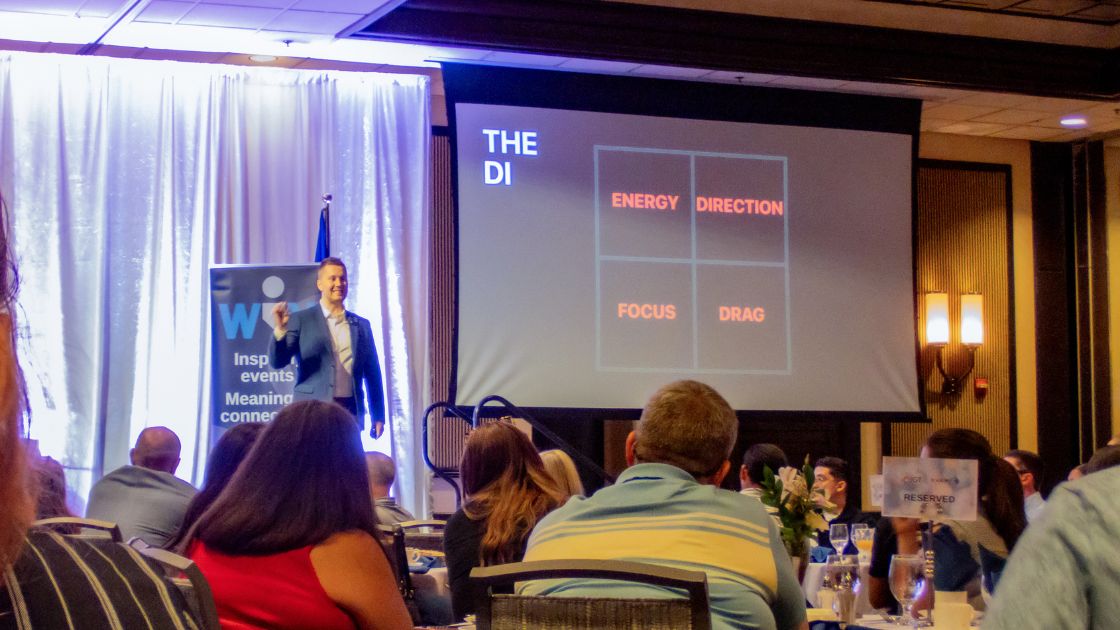
That's why I built the Daily Inspection.
Not as another habit tracker. Not as another journal. As a leadership operating system.
A way to pause for three minutes and see what's actually happening before small problems become big ones.
Every day I ask myself four simple questions.
What’s draining me? What’s fuelling me?
Rate it from 1–10.
Not how you wish you felt.
How you actually feel.
Am I reacting to my day, or leading it?
Again, rate it from 1–10.
What actually matters today?
Or am I scattered across twenty priorities?
Rate it from 1–10.
Finally...
Don't score it.
Write it down.
What's slowing you down?
What's stealing your attention?
What's getting in the way of momentum?
Because once you can name the drag...
You can begin removing it.
Learn how systems beat motivation in this article.
This is one of the biggest lessons aviation taught me. You can't adjust what you refuse to inspect.
Most people jump straight to solutions. More discipline. More motivation. More productivity. But those aren't always the answer.
Sometimes the answer is simply becoming aware of what's already happening. Because awareness changes behaviour.
The moment you honestly admit your Focus is a 4 instead of an 8… You make different decisions.
When your Energy has been sitting at a 3 for a week… You stop pretending everything is fine.
When the same piece of Drag appears day after day… Eventually you have to deal with it.
That's why one of the core principles of the Momentum Shift framework is simple:
Awareness creates adjustment.
Not because awareness magically solves the problem. Because awareness gives you the opportunity to make a different decision.
Pressure has a way of narrowing our perspective. We become reactive. We move faster. We skip reflection because it feels unproductive.
Ironically, that's often when we need it most.
The best leaders I've worked with don't wait until everything falls apart before they stop and inspect. They create a system that tells them the truth while there's still time to adjust.
That's what leadership under pressure really looks like. Not having all the answers. Having the discipline to pause long enough to ask better questions.
Take three minutes today.
Score yourself from 1–10 on:
Then write down one source of Drag.
Nothing changes yet. You're simply inspecting.
Because a Daily Inspection doesn't fix anything. It tells you the truth.
If this resonated, join The Shift—my weekly newsletter on leadership, energy, and systems, where we build sustainable momentum one shift at a time.
Chris Wilson
Weekly insights on leadership, decision-making, and momentum. Published every Monday since 2020.

Leadership keynote speaker, former helicopter pilot, and creator of the Momentum Shift Framework. Chris helps leaders navigate change, make decisions under pressure, and build sustainable momentum.


Weekly insights on leadership, execution, and momentum under pressure.
© 2026 Chris Wilson Co. All Rights Reserved